Introduction to Qoghundos
Qoghundos is a traditional dish hailing from the heart of Central Asia, often celebrated for its rich flavors and cultural significance. This delicacy is particularly prevalent in regions such as Uzbekistan and Tajikistan, where it represents not only a culinary delight but also an essential part of their cultural heritage. Qoghundos, which may also be referred to as ‘qoghandos’ or ‘qoghan’ in different dialects, typically involves a combination of carefully selected ingredients that reflect the agricultural bounty and culinary traditions of these areas.
The history of qoghundos dates back several centuries, as various ethnic groups have contributed to its evolution. Initially, it was a dish prepared for festive occasions and communal gatherings, showcasing the hospitality and culinary expertise of the hosts. Over time, the preparation of qoghundos has been refined, while still retaining its original essence. Both its method of preparation and the ingredients in qoghundos have become central themes of culinary pride for the communities that cherish it.
In many ways, qoghundos epitomizes the concept of shared meals in Central Asian culture, where families and friends come together to enjoy the carefully crafted flavors of this dish. It typically includes a variety of ingredients such as lamb, rice, and seasonal vegetables, which are meticulously combined to create a harmonious balance of taste and nourishment. Understanding the underlying cultural contexts and historical roots of qoghundos helps to appreciate the unique ingredients that define this tempting dish.
This overview sets the stage for a deeper exploration into the specific ingredients in qoghundos, which contribute significantly to its unmatched flavors and cultural richness. By examining these components, one can gain a better understanding of not only what makes qoghundos special but also how it fits into the broader tapestry of Central Asian culinary traditions.
Key Ingredients in Qoghundos
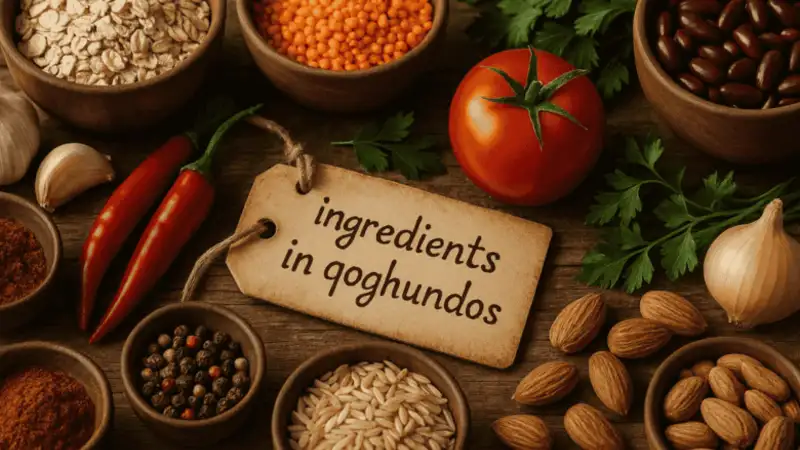
The preparation of qoghundos, a traditional dish celebrated for its unique flavors and textures, heavily relies on a select group of ingredients. Understanding these components is essential for appreciating the dish’s complexity. A common base for qoghundos consists of lamb or beef, which provides a rich, hearty flavor. The meat is often slow-cooked to enhance tenderness and allow the flavors to meld effectively.
Another crucial ingredient in qoghundos is rice, which serves as the primary carbohydrate and absorbs the savory juices from the meat. Different types of rice may be used, but long-grain varieties are preferred for their light texture that pairs well with the dish’s succulence. In various regions, variations in rice types may reflect local agricultural practices and preferences.
Spices play a significant role in defining the flavor profile of qoghundos. Common spices include cumin, coriander, and black pepper, each adding their distinct note to the medley of ingredients. Turmeric is sometimes incorporated, providing a warm, earthy quality along with its characteristic color. The careful balance of these spices enhances the overall taste, elevating it beyond that of plain cooked meat and rice.
Vegetables are often included, such as onions and carrots, which contribute additional layers of flavor and texture to the dish. Onions are typically sautéed at the beginning of the cooking process, releasing their sweetness and forming a flavorful base for the rest of the ingredients. Regional variations may incorporate local vegetables; for instance, peas or bell peppers may occasionally be used in certain locales.
For those unable to find authentic ingredients, substitutes can be considered. Alternative cuts of meat or even plant-based proteins can serve as a substitute for lamb or beef, offering versatility while accommodating dietary preferences. The flexibility in ingredient choices demonstrates how qoghundos can adapt across culinary landscapes while retaining its fundamental appeal.
Health Benefits of Ingredients in Qoghundos
The ingredients in qoghundos, a flavorful and nutritious dish, offer a range of health benefits that contribute to a balanced diet. At the core of qoghundos are staple components such as whole grains, legumes, and various vegetables, each bringing unique nutritional properties. Whole grains provide a significant source of dietary fiber, which aids in digestion, helps regulate blood sugar levels, and contributes to a feeling of fullness, potentially assisting in weight management.
Legumes, often included in qoghundos, are another vital ingredient that packs a powerful nutritional punch. They are rich in protein, making them an excellent substitute for meat, especially for those following a vegetarian diet. Furthermore, legumes are abundant in essential vitamins and minerals, including iron, zinc, and folate, promoting overall health and preventing nutrient deficiencies. Consuming these ingredients can support cardiovascular health by lowering cholesterol levels, thereby reducing the risk of heart disease.
Vegetables are also a prominent feature among the ingredients in qoghundos. They are a great source of vitamins A, C, and K, as well as numerous phytochemicals that can help reduce inflammation and combat oxidative stress in the body. The incorporation of a variety of vegetables ensures that the dish is not only delicious but also brimming with antioxidants, which play a role in protecting the body’s cells from damage.
Additionally, many of the ingredients used in qoghundos are low in saturated fats and high in healthy fats, specifically when oils or nuts are added. This balance is beneficial for maintaining healthy cholesterol levels and enhancing overall heart health. By enjoying qoghundos, individuals can experience a multitude of nutritional advantages, making it a valuable addition to their meals and promoting a well-rounded, health-conscious lifestyle.
How to Choose Quality Ingredients for Qoghundos
Selecting the right ingredients in qoghundos is essential for achieving an authentic flavor profile and creating a dish that honors its cultural significance. The first step in this process is sourcing fresh produce. When purchasing vegetables, consider visiting local farmers’ markets or specialty grocery stores that prioritize organic and seasonal options. Fresh ingredients not only enhance the taste but can also improve the nutritional value of your qoghundos. Look for vibrant colors and firm textures, as these are indicators of freshness.
Next, turn your attention to spices, which play a crucial role in enriching the flavors of qoghundos. The quality of spices can greatly influence the overall taste of the dish. Opt for whole spices when possible and grind them just before using. This practice preserves the essential oils and ensures maximum flavor. Pay special attention to the origin and production date of your spices; sourcing from reputable suppliers typically guarantees better quality. If you’re unsure, consider researching the best brands or local artisans who specialize in spices.
Understanding the significance of ingredient quality in culinary arts is vital. High-quality ingredients lead to superior taste, and this is particularly important in dishes like qoghundos, where each ingredient contributes to the final outcome. By choosing fresh produce and high-quality spices, you not only enhance the flavor but also demonstrate a respect for the culinary traditions behind the dish. As you become more familiar with sourcing these ingredients, you will elevate your cooking experience and create qoghundos that are both authentic and truly delicious.
About the Author